
ELCAP Project, Tanzania
Location: Iramba, Ikungi, and Manyoni districts in Singida province, Tanzania
Number of farmers involved: 6,000
Project duration: 2022 to 2026 .
The goal of this project is to sustainably improve the livelihoods of smallholder farmers, their households, and other value-chain stakeholders in Tanzania through enhanced income, biochar, value chain and market linkages, private-sector partnerships, and job creation. The project will include the following elements:
- Improve the lives of 6,000 smallholder farmers in Tanzania by strengthening support structures to commercialize maize, pigeon peas, sorghum, and sunflower value chains.
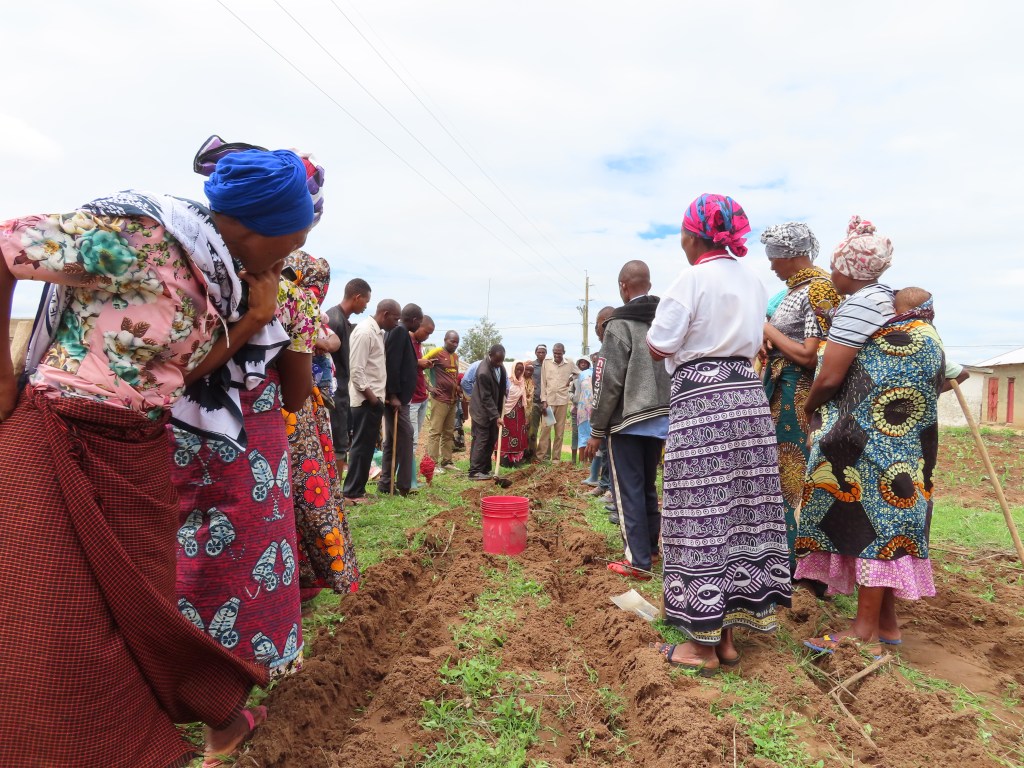
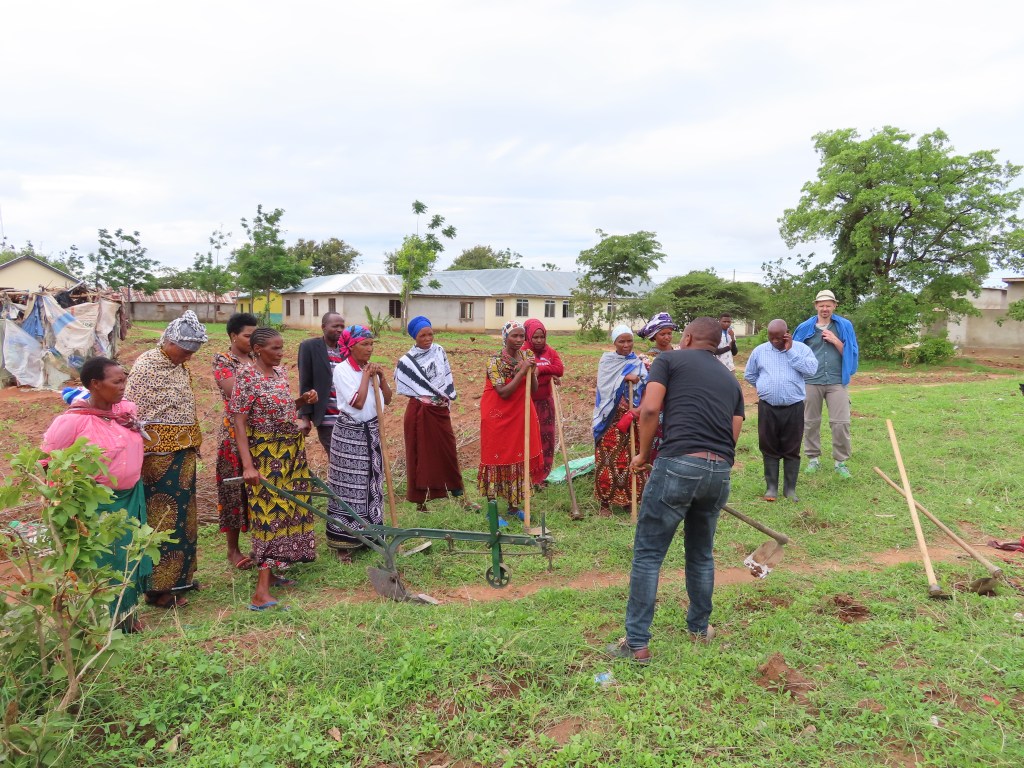
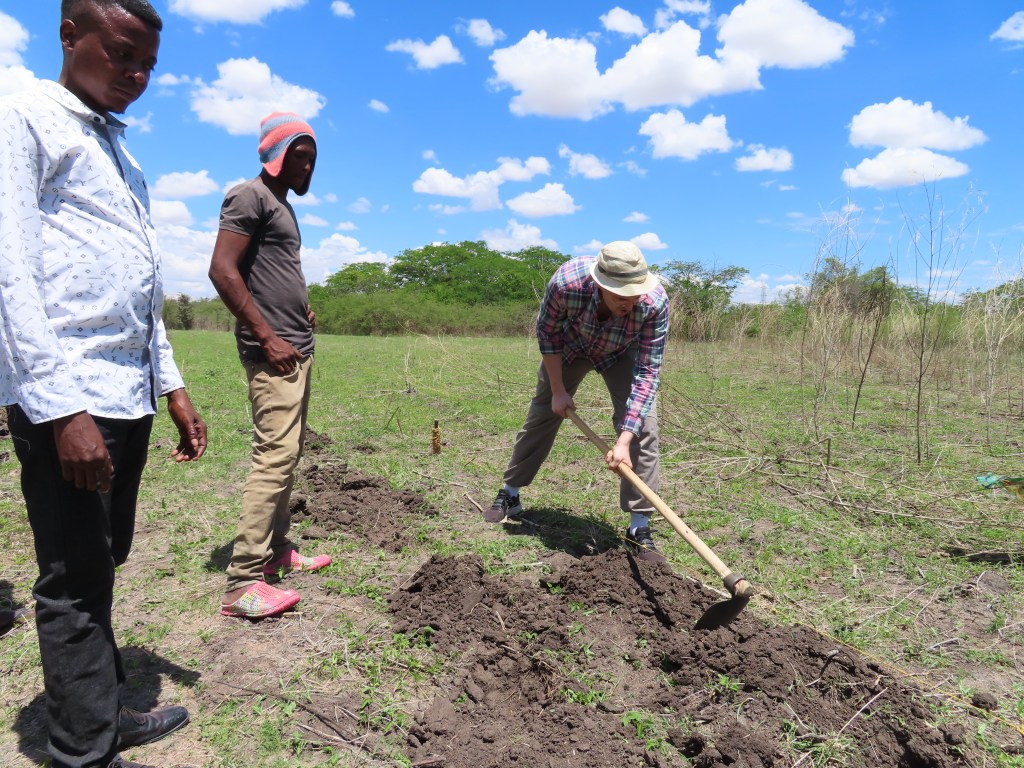
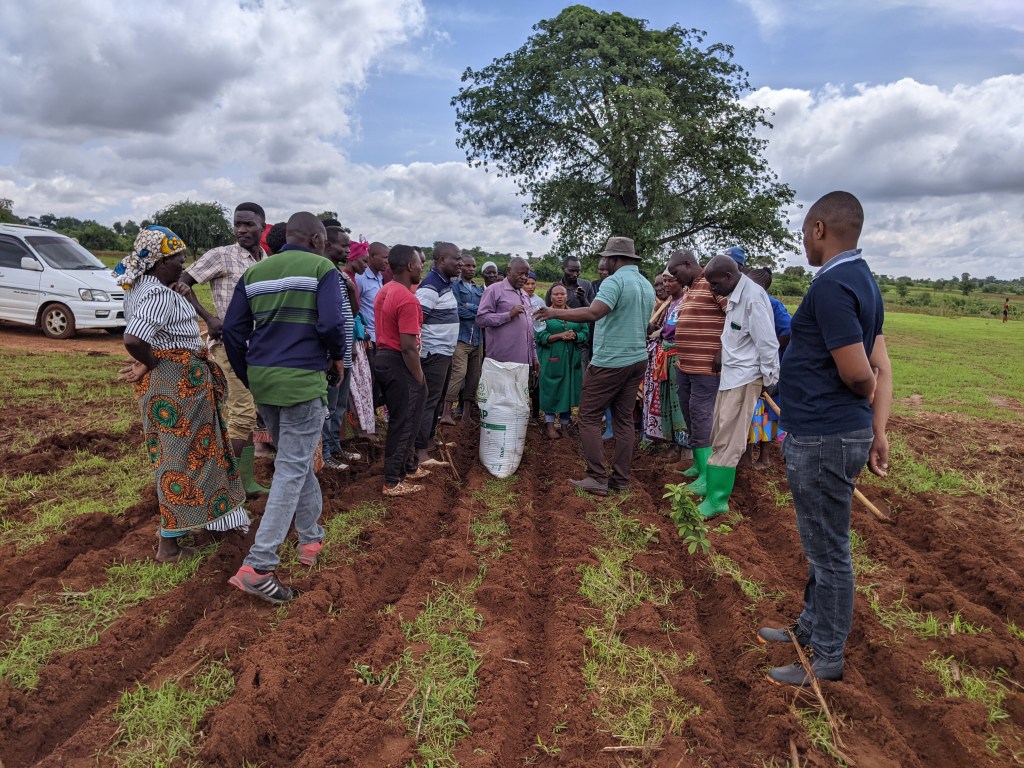
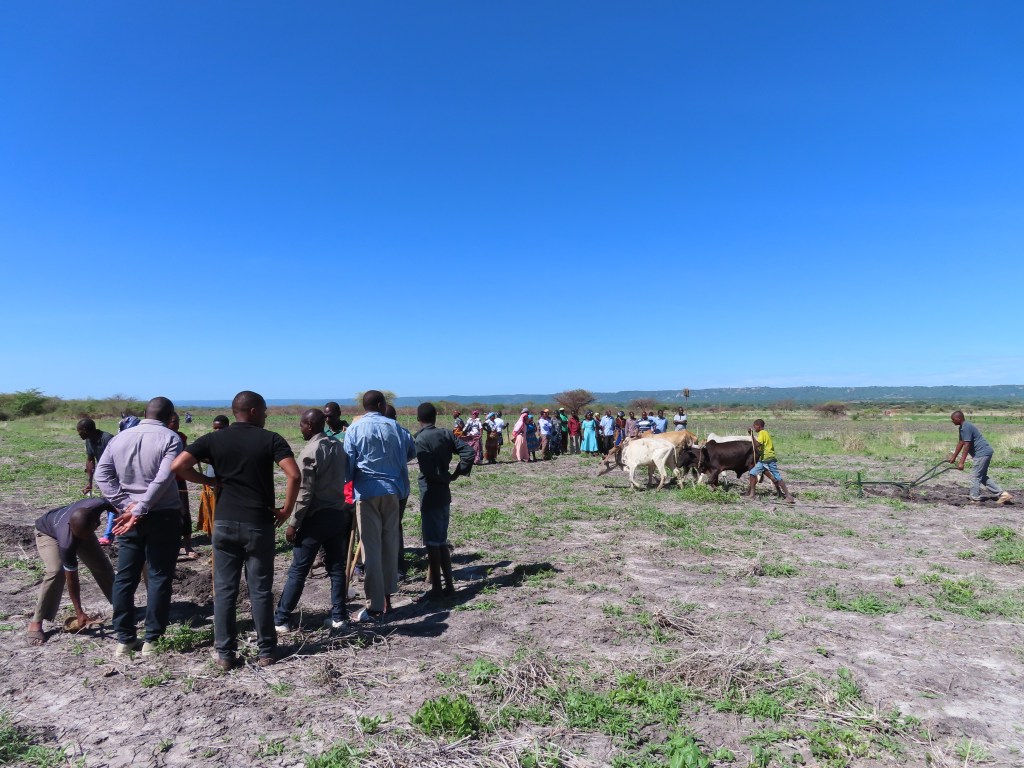
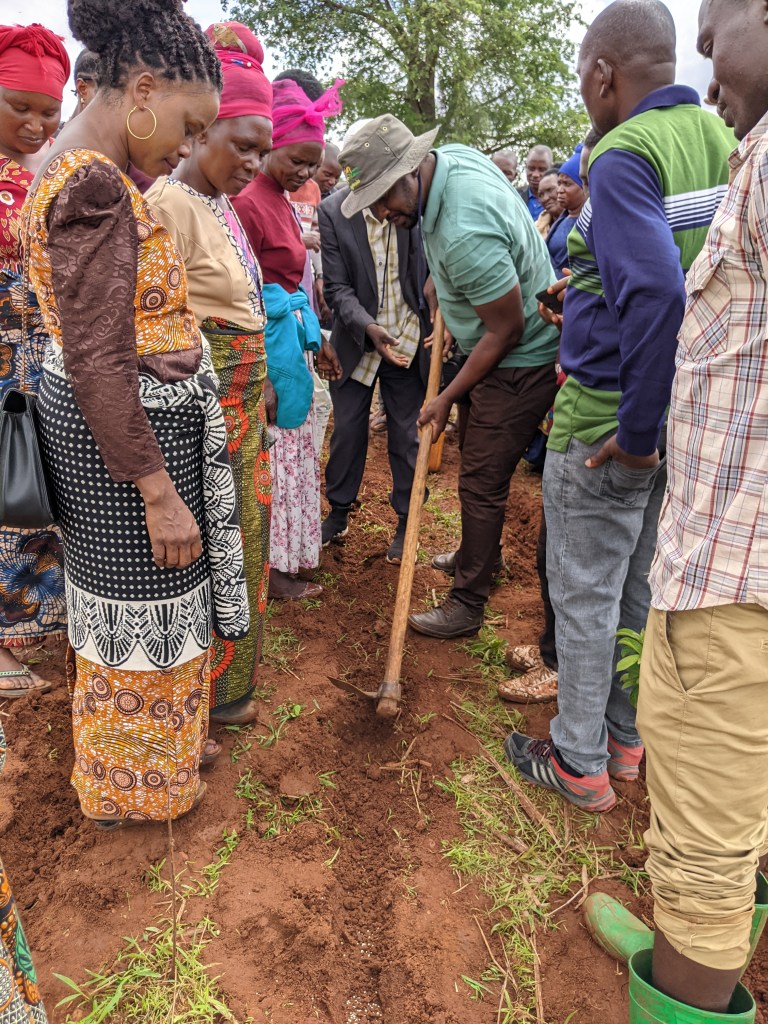
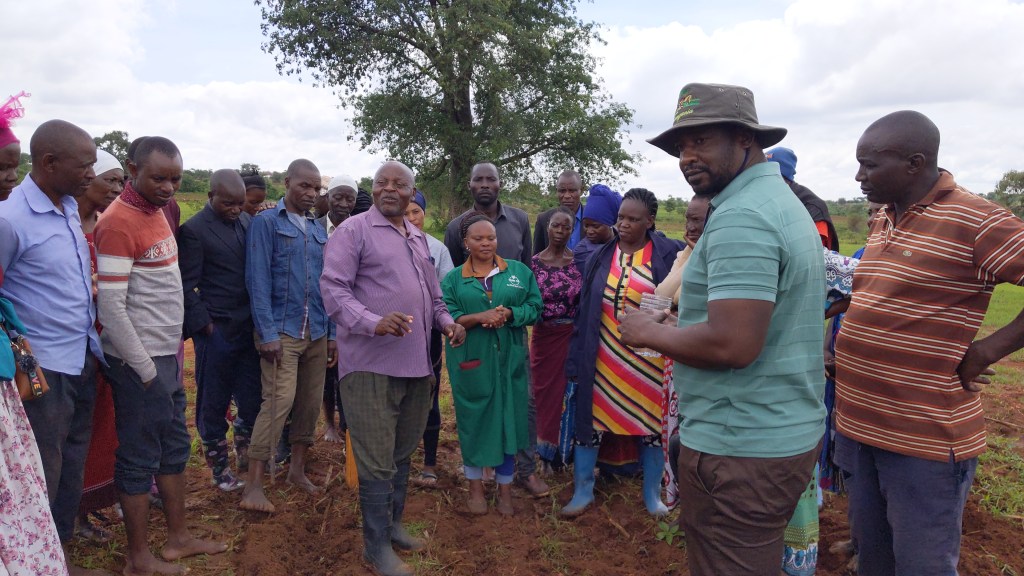
- Implement Climate Smart Agricultural (CSA) Practices for improved crop yields: Minimum tillage, crop rotation, and residue retention.
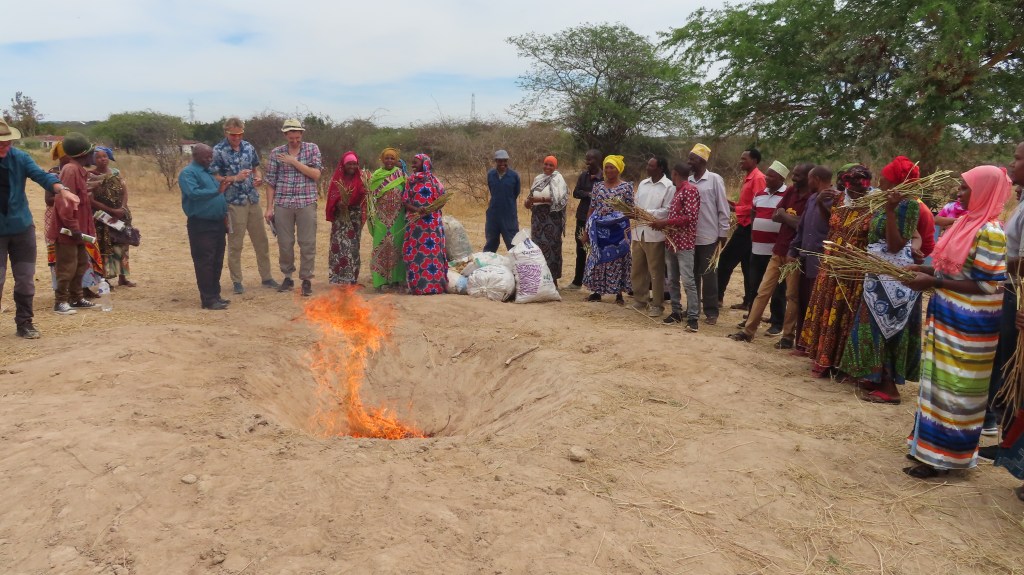
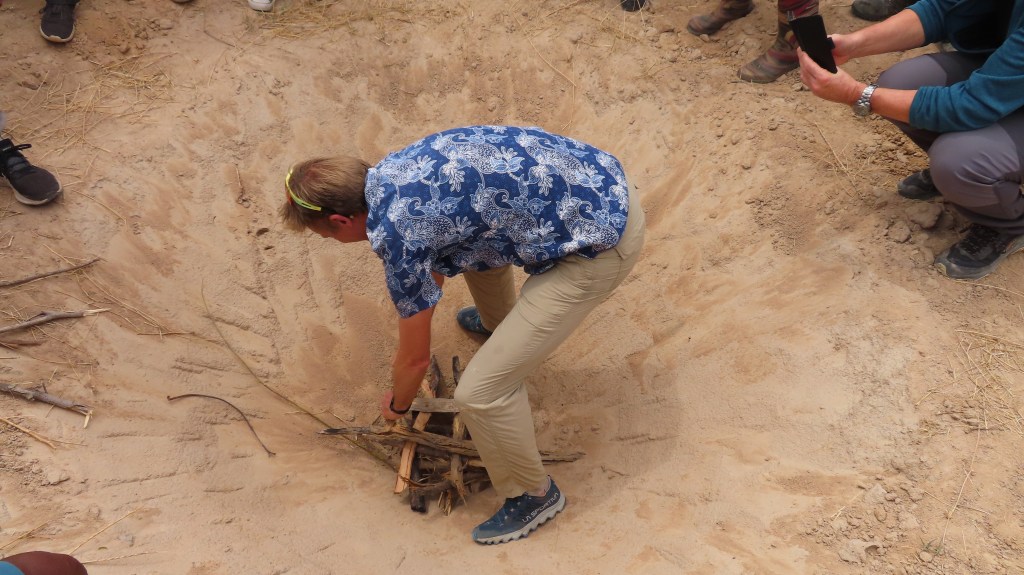
- Introduce biochar, engineered charcoal from pigeon pea residues, maize cobs, and other agricultural waste. Biochar combats climate change and retains soil water and soil nutrients.
- Link smallholder farmers, particularly women and youth in the target communities, to income opportunities along the improved value chains through capacity building and training.
- Valorize waste by sorting waste into residual, plastic, and organic waste streams that can support existing waste management structures and provide additional revenue.
We will enhance household food resilience, financial resilience, and investment opportunities through 240 Savings and Producer Groups combined into 8 Commercial Villages for smallholder farmers, women, and youth.
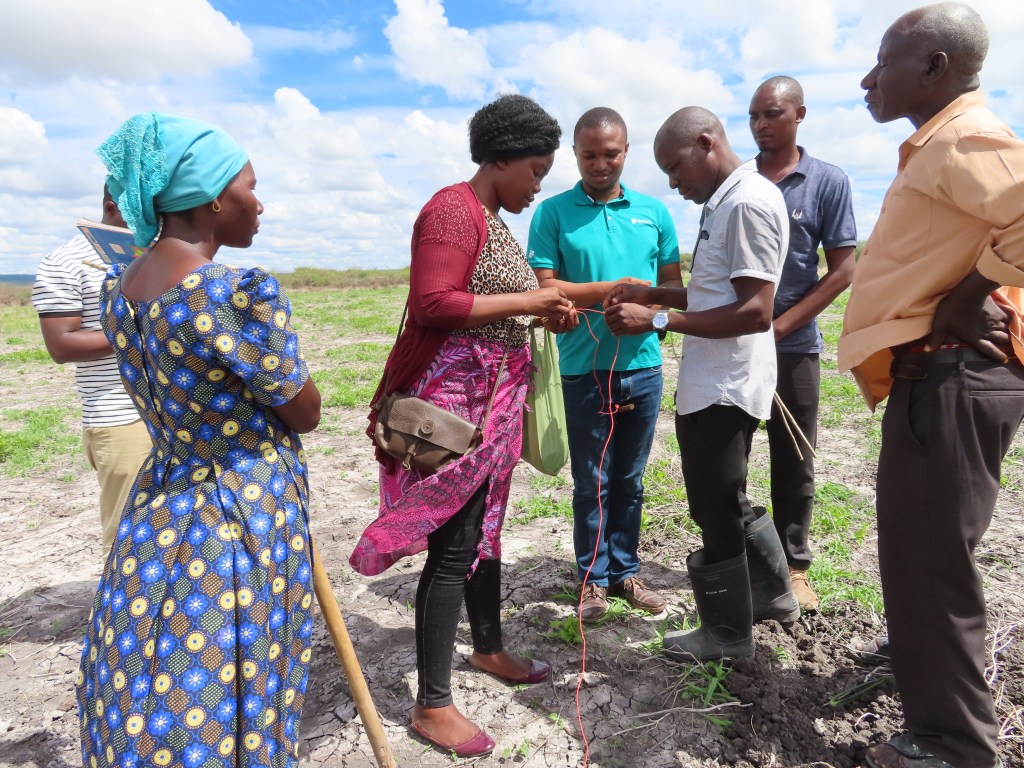
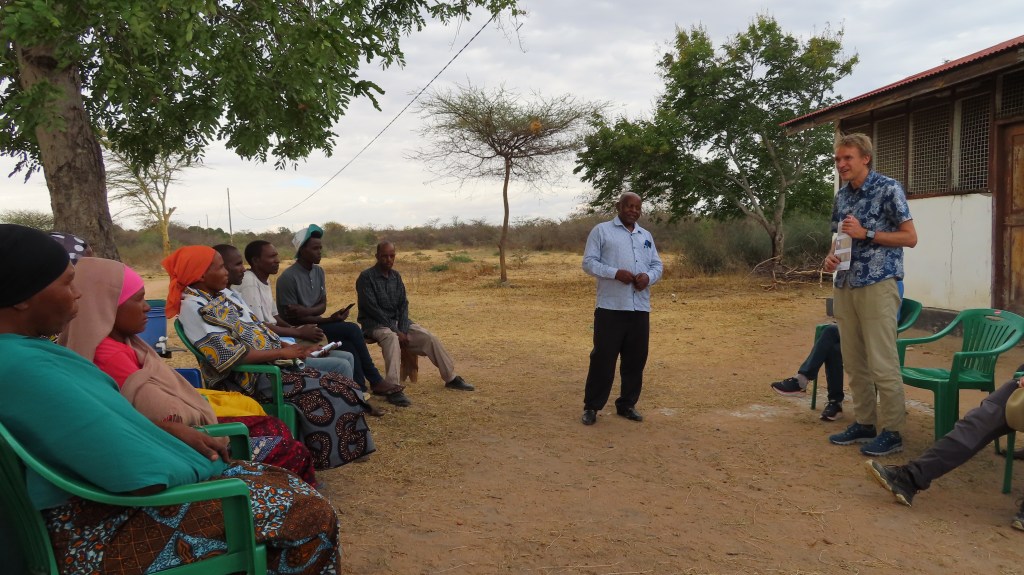
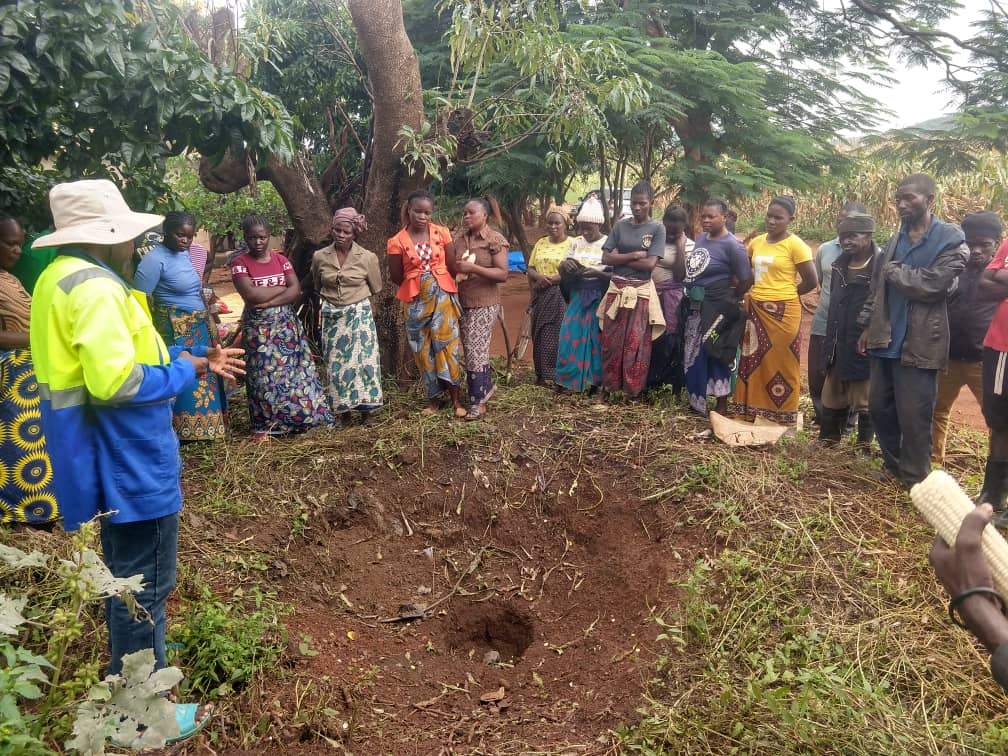
The CSFS will train all SEMA staff involved on the ELCAP project. CSFS will ensure that staff are trained in Climate Smart Agriculture practices such as Conservation Farming and how to make biochar from farm agriculture waste and application in minimum tillage cultivated fields. The CSFS will for the period of the ELCAP implementation, work closely with SEMA staff and ensure CSA-CF principles are well followed including Climate Smart production of biochar using Flame Curtain open pit kiln.
Project partners include the Stromme Foundation, Sustainable Environment Management Action (SEMA), Norwegian Geotechnical Institute (NGI), Norwegian University of Life Sciences (NMBU), and Engineers Without Borders.
 Climate Smart Farming Solutions